
⚡ Section 1 – Why Energy Transition = Commodity Shock
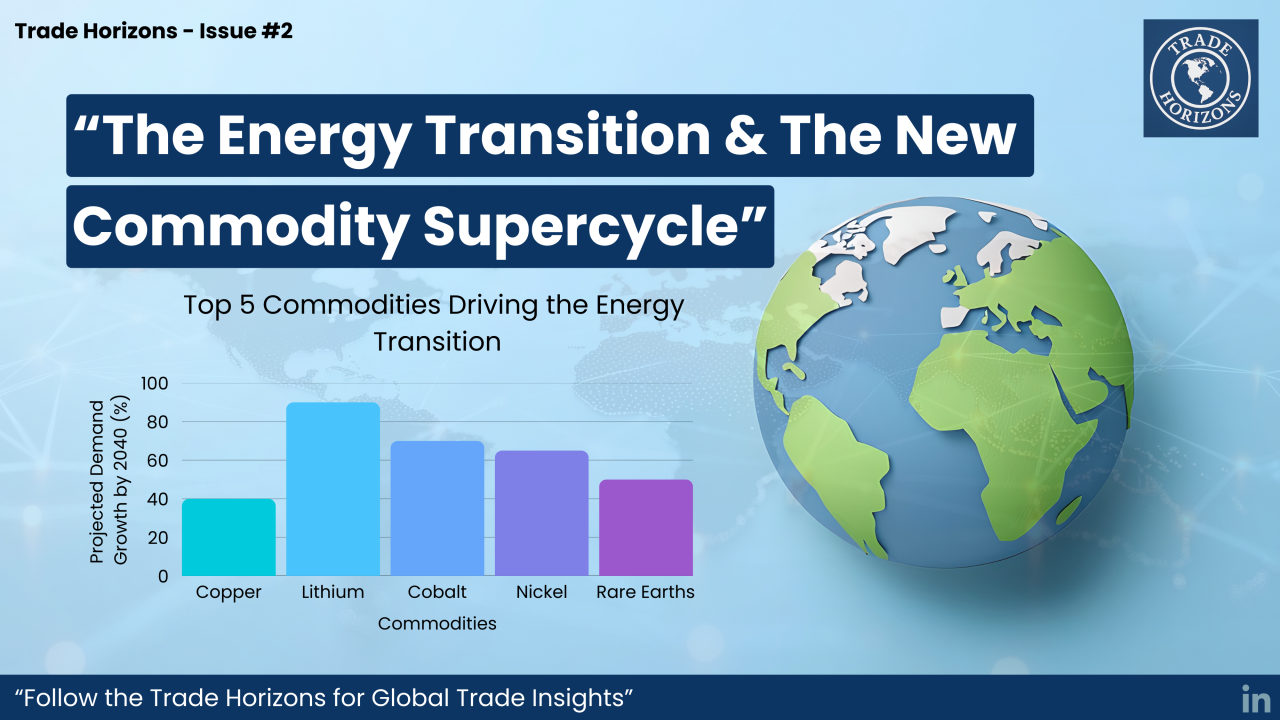
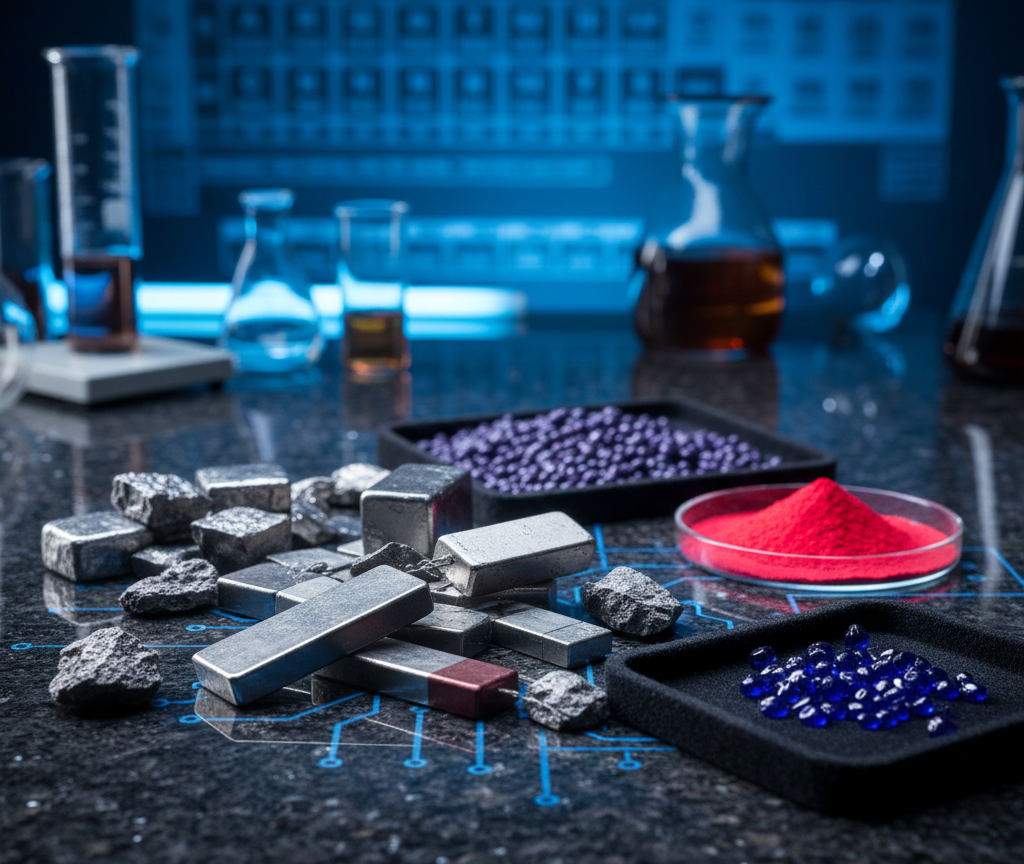
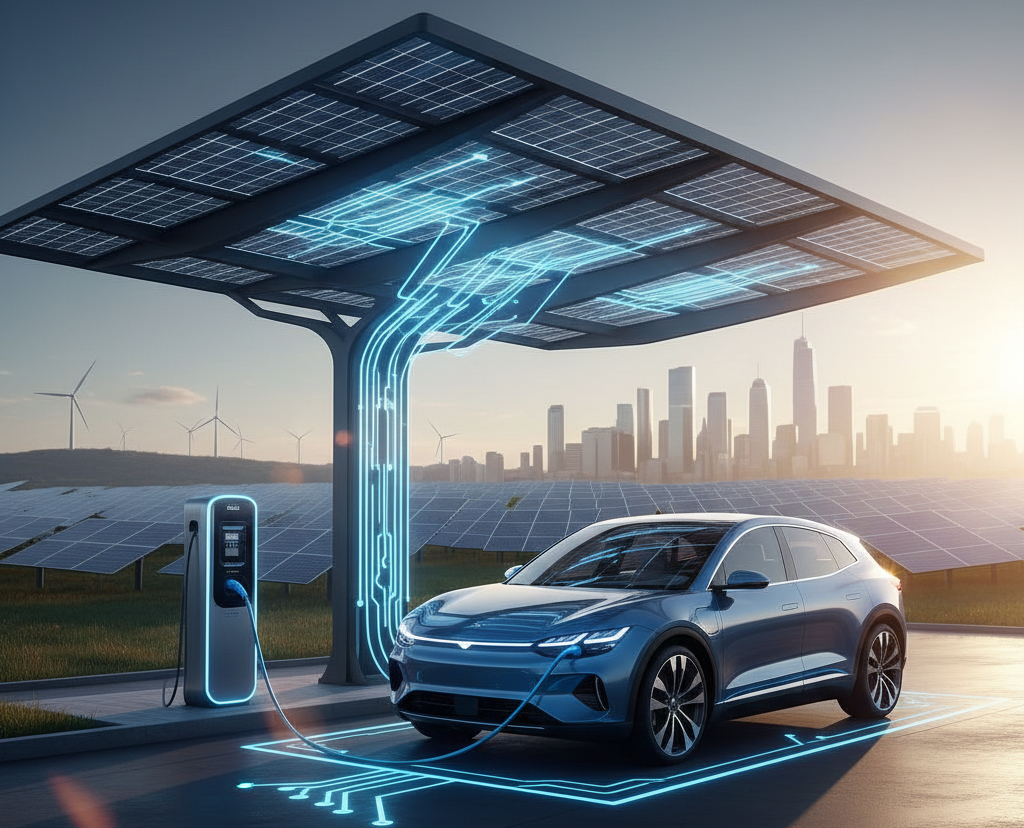
Net-zero commitments are driving record demand for clean tech metals.
EVs → Lithium, cobalt, nickel.
Renewable grids → Copper, rare earths.
Infrastructure → Steel, aluminum, cement.
📊 Stat: The IEA projects demand for critical minerals to rise 4–6x by 2040.
-
⛽ Section 2 – Traditional Energy Still Matters
Oil & gas still supply 80% of global energy.
LNG & natural gas are positioned as “transition fuels.”
OPEC+ is navigating a balancing act in a carbon-conscious world.
⚡ Insight: Fossil fuels aren’t dying — they’re repositioning as bridge commodities. -
🏆 Section 3 – Winners & Losers in the Supercycle
Winners:
Copper: Chile, DRC
Lithium: Australia, Argentina
Rare earths: China
Oil & gas exporters: Middle East
Losers:
Heavy importers with no reserves (Japan, South Korea, parts of Europe).
📈 Investors are shifting portfolios into commodity-backed plays. -
🌪 Section 4 – Risks & Volatility
Geopolitical risk: China controls 70% of rare earths refining.
Climate shocks: Agriculture & hydropower face instability.
Capital flows: Financing + ESG scrutiny reshaping trade deals. -
💡 Closing Insight
📌 “The energy transition isn’t just green — it’s red hot with commodity opportunities. Those who anticipate the supercycle will control the future of trade.”
👉 Follow Trade Horizons – Global Commodity Insights for weekly deep dives into the forces shaping the new world economy.
#TradeHorizons #GlobalTrade #Commodities #EnergyTransition #SupplyChain # Ventrix Trade
Leads the company’s global vision, trade strategy, and technological innovation. His focus on sustainable partnerships and digital transformation drives Ventrix’s international success.